
Thank you to Juliet Sullivan for sharing this incredible blog. Read on to learn more about Ozempic and Gallbladder Disease, whether there is in fact a link between the two and what you can do to look after your gallbladder health.
The eX-pat files blog
By Juliet Sullivan
When I first moved to Canada in 2003, I had a series published in The Province newspaper entitled Diary of an Immigrant. The series chronicled my move from Brighton, England to Vancouver. This blog continues the journey. It has been, and continues to be, one crazy ride
Ozempic and gallbladder disease: is there a link?
February 2026
You have probably* heard a bit of chatter about Ozempic, Wegovy, and Mounjaro — those revered injections that promise the holy grail of weight loss and blood sugar control. There is no doubt that they are helping people to lose weight, steady their insulin levels, and in many cases, transform lives.
*please excuse my sarcasm.
But lately, a few questions relating to these ‘wonder’ drugs have cropped up in the Press and online; one of them being: is there a possibility that they can increase the likelihood of developing gallbladder disease?
And the short answer is: possibly.
Not definitely — and not for everyone — but it’s worth understanding how these drugs can sometimes nudge the gallbladder into mischief.
What these medications actually do
Ozempic, Wegovy, and Mounjaro belong to a class of drugs called GLP-1 receptor agonists. They copy a natural hormone in your body that helps regulate insulin and makes you feel fuller faster, which is why so many people find their appetite dwindles.
But here’s the sneaky downside: those same GLP-1 receptors also live in your gallbladder, and when they’re stimulated, the gallbladder empties more slowly. Bile ends up lounging inside for longer, becoming thicker and more concentrated, and those thicker bile salts and cholesterol can clump together into gallstones.
Why rapid weight loss makes things worse
And just when your gallbladder is already sluggish, along comes rapid weight loss, which adds another layer of pressure. Every time you burn body fat quickly, your liver releases extra cholesterol, some of which ends up in your bile, making it what researchers call “supersaturated.” That’s a perfect recipe for gallstone formation.
What You Can Do About It
If you’ve started one of these medications (or are thinking about it), there is no need to panic. You don’t have to choose between your waistline and your gallbladder. It’s just a matter of being kind to both.
- Go for steady rather than dramatic weight loss; slower changes give your gallbladder time to keep up.
- Try not to skip meals, because long stretches without eating make bile sit still in the gallbladder.
- Keep a little healthy fat in your diet – things like olive oil, nuts, or avocado help your gallbladder contract and clear out bile.
- Tell your doctor if you’ve had gallstones or gallbladder surgery before, so they can keep a closer eye on you.
- Watch for warning signs: pain under the right ribs, nausea, bloating, or pain after fatty foods are all reasons to get checked.
And no, there’s no need for a “just in case” gallbladder removal before you start these meds; routine preventive surgery isn’t recommended. Most people do very well with monitoring, sensible dosing, and a bit of dietary common sense.
A Little Help From The Gallstone Friendly Diet
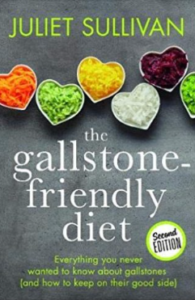
If all of this is making you think, “OK, I need to look after my gallbladder properly now,” that’s exactly why I wrote The Gallstone Friendly Diet: everything you never wanted to know about gallstones (and how to keep on their good side). It’s my down-to-earth guide to eating in a way that keeps your gallbladder as calm as possible, whether you still have it or you’re post-surgery and trying to avoid those digestive dramas.
As I mention often, I am not a doctor. But I have experienced gallstones, and you may or may not know (and I hope you don’t!) they are really no fun. In the book, I talk through the kind of meals that keep bile flowing nicely, how to avoid common triggers without feeling like you’re on punishment food, and how to live your life without constantly worrying about your right side, where the gallbladder lives.
So if you’re on one of these medications, thinking about starting, or just determined not to let gallstones run your life, you might find The Gallstone Friendly Diet a reassuring companion – more like having a chatty, slightly bossy friend giving you advice, rather than a lecture about what you “should” be doing.


