
Posted on

Ozempic and Gallbladder Disease: is there a link? by Juliet Sullivan

Thank you to Juliet Sullivan for sharing this incredible blog. Read on to learn more about Ozempic and Gallbladder Disease, whether there is in fact a link between the two and what you can do to look after your gallbladder health.

The eX-pat files blog

By Juliet Sullivan

When I first moved to Canada in 2003, I had a series published in The Province newspaper entitled Diary of an Immigrant. The series chronicled my move from Brighton, England to Vancouver. This blog continues the journey. It has been, and continues to be, one crazy ride

Ozempic and gallbladder disease: is there a link?
February 2026

You have probably* heard a bit of chatter about Ozempic, Wegovy, and Mounjaro — those revered injections that promise the holy grail of weight loss and blood sugar control. There is no doubt that they are helping people to lose weight, steady their insulin levels, and in many cases, transform lives.

*please excuse my sarcasm.

But lately, a few questions relating to these ‘wonder’ drugs have cropped up in the Press and online; one of them being: is there a possibility that they can increase the likelihood of developing gallbladder disease?

And the short answer is: possibly.

Not definitely — and not for everyone — but it’s worth understanding how these drugs can sometimes nudge the gallbladder into mischief.

What these medications actually do

Ozempic, Wegovy, and Mounjaro belong to a class of drugs called GLP-1 receptor agonists. They copy a natural hormone in your body that helps regulate insulin and makes you feel fuller faster, which is why so many people find their appetite dwindles.

But here’s the sneaky downside: those same GLP-1 receptors also live in your gallbladder, and when they’re stimulated, the gallbladder empties more slowly. Bile ends up lounging inside for longer, becoming thicker and more concentrated, and those thicker bile salts and cholesterol can clump together into gallstones.

Why rapid weight loss makes things worse

And just when your gallbladder is already sluggish, along comes rapid weight loss, which adds another layer of pressure. Every time you burn body fat quickly, your liver releases extra cholesterol, some of which ends up in your bile, making it what researchers call “supersaturated.” That’s a perfect recipe for gallstone formation.

What You Can Do About It

If you’ve started one of these medications (or are thinking about it), there is no need to panic. You don’t have to choose between your waistline and your gallbladder. It’s just a matter of being kind to both.

  • Go for steady rather than dramatic weight loss; slower changes give your gallbladder time to keep up.
  • Try not to skip meals, because long stretches without eating make bile sit still in the gallbladder.
  • Keep a little healthy fat in your diet – things like olive oil, nuts, or avocado help your gallbladder contract and clear out bile.
  • Tell your doctor if you’ve had gallstones or gallbladder surgery before, so they can keep a closer eye on you.
  • Watch for warning signs: pain under the right ribs, nausea, bloating, or pain after fatty foods are all reasons to get checked.

And no, there’s no need for a “just in case” gallbladder removal before you start these meds; routine preventive surgery isn’t recommended. Most people do very well with monitoring, sensible dosing, and a bit of dietary common sense.

A Little Help From The Gallstone Friendly Diet

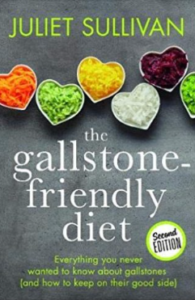
If all of this is making you think, “OK, I need to look after my gallbladder properly now,” that’s exactly why I wrote The Gallstone Friendly Diet: everything you never wanted to know about gallstones (and how to keep on their good side). It’s my down-to-earth guide to eating in a way that keeps your gallbladder as calm as possible, whether you still have it or you’re post-surgery and trying to avoid those digestive dramas.

As I mention often, I am not a doctor. But I have experienced gallstones, and you may or may not know (and I hope you don’t!) they are really no fun. In the book, I talk through the kind of meals that keep bile flowing nicely, how to avoid common triggers without feeling like you’re on punishment food, and how to live your life without constantly worrying about your right side, where the gallbladder lives.

So if you’re on one of these medications, thinking about starting, or just determined not to let gallstones run your life, you might find The Gallstone Friendly Diet a reassuring companion – more like having a chatty, slightly bossy friend giving you advice, rather than a lecture about what you “should” be doing.

Posted on

From Summer’s end to Autumn’s start: Keeping energy, optimism and wellbeing as the seasons shift

As the long light of summer fades and the cooler, shorter days of autumn approach, it’s a pivotal moment to recalibrate our routines – to both sustain physical energy and cultivate mental wellbeing.

At Hammersmith Health Books, we often explore how seasonal changes affect our health and how we can support our bodies and minds through them. One of our titles, The Energy Equation by Dr Sarah Myhill and Craig Robinson, is especially helpful when it comes to understanding how to protect and optimise our energy levels – something we all need a bit more of as the sunlight fades and the pace of life starts to shift. Here are some key ways to stay healthy and positive through the seasonal transition:

  1. Fuel your energy engine

In The Energy Equation, Dr Myhill outlines how the body works like an engine, and like any engine, it needs the right fuel to function properly. As we head into autumn, this means being mindful of what we eat, aiming for nutrient-rich, warming foods that support our internal systems.

Now is a great time to embrace seasonal vegetables – see what is recommended in these authors’ related book, Paleo-Ketogenic: the why and the how [link]. Think hearty stews and homemade soups based on bone broth, and and slow-cooked meals that are easy on the digestion and packed with vitamins and minerals. Season them with Sunshine salt [link to entry on Sarah’s website] and add warming spices like ginger, turmeric and cinnamon which not only enhance flavour but also support circulation and help combat inflammation.

And let’s not forget hydration – just because it’s cooler doesn’t mean we need less water. Herbal teas, warm water with lemon or even broth-based drinks can help you stay hydrated and warm.

  1. Prioritise rest and recovery

Dr Myhill is clear on this: energy is not just about output – it is also about rest. Sleep is when our bodies do their most important repair work. But shorter daylight hours and increased screen time can interfere with our natural sleep rhythms.

As summer ends, consider adjusting your evening routine to align more closely with natural light. Try dimming the lights earlier, reducing screen use before bed, and incorporating calming habits like reading, gentle stretching or sipping chamomile tea. These small changes can make a big difference in your energy and mood the next day.

If your sleep still feels off, it might be worth reviewing your bedtime environment: is your room cool and dark enough? Is your sleep schedule consistent? These are small tweaks with powerful effects.

  1. Support your immune system

With colder weather comes increased exposure to viruses and more time spent indoors. In The Energy Equation, immune stress is seen as a major energy drain – so keeping your immune system strong is essential for staying energised.

Focus on foods high in Vitamin C (like citrus fruits, red peppers and broccoli, plus supplementation), get outside for some Vitamin D while there is still some strength in the sun (or supplement if needed), and continue to support gut health with fermented foods and/or probiotics. Balanced blood sugar from a PK diet and quality sleep both play a role in keeping you well, and take a look at these authors’ book The Infection Game [link] for advice on what to do if symptoms strike.

It’s also important to manage stress, as chronic stress weakens immune function. Mindful practices, laughter, connection with loved ones, and time to yourself can all help buffer stress through the darker months.

The seasonal shift from summer into autumn doesn’t have to mean a slump in energy or mood. With the right mindset and lifestyle adjustments – rooted in the practical insights from The Energy Equation and beyond – you can support both physical vitality and emotional balance through the months ahead.

So as the leaves begin to turn and the pace of life changes, consider this your seasonal check-in. Nourish your body with wholesome PK food, get outside as much as possible before the days get short, honour your need for rest, and make space for calm and joy in your daily life.

Buy Dr. Myhill’s Sunshine Salt here.

Posted on

The brains behind Get Your Brain Off Grain

Get Your Brain off Grain: How a gluten-free diet could improve your mental and neurological health is a groundbreaking book that explores the compelling relationship between gluten and mental health. Combining personal experiences with cutting-edge research, the authors present a clear, evidence-based look at how gluten may influence mood, cognition, anxiety, and even severe psychiatric conditions. This accessible yet scientifically robust guide empowers readers with practical advice, screening tools, and dietary strategies that go beyond fads to deliver meaningful change. Whether you’re a clinician, a patient, or simply curious about how diet affects the mind, this book offers a new lens through which to view mental well-being.

But how did such a book come to be? It began with Dr Jessica Hellings, an award-winning psychiatrist who experienced a dramatic personal transformation after going gluten-free. Long-standing issues like anxiety, brain fog and nerve pain improved almost overnight, prompting her to investigate the growing body of scientific literature connecting gluten and neuropsychiatric symptoms. Her dual perspective – as both patient and practitioner – fostered a unique insight into how powerful dietary change could be. While researching for a review article, she came across the work of Dr Deanna Kelly, whose pioneering studies had already laid much of the foundation in this area.
Struck by the rigour and relevance of Dr Kelly’s research, Dr Hellings reached out in early 2020 with a proposal: to co-author a book that could translate their collective knowledge into something that could truly help people. Dr Kelly immediately recognised the synergy. Together, they decided to bring on board Sharon Pugh, a clinically trained researcher and nutrition expert with a deep understanding of gluten’s systemic effects, including on the brain.

Dr Deanna Kelly brought over 15 years of experience investigating the immunological and psychiatric effects of gluten. Her work at the Maryland Psychiatric Research Center, including NIH-funded clinical trials, was instrumental in showing how gluten could drive inflammation in the body and brain – particularly in people with schizophrenia. For Dr Kelly, the book represented a way to answer the recurring calls from families, patients and clinicians looking for actionable advice grounded in science.
Sharon Pugh added yet another dimension. With two decades of experience exploring the gluten–brain connection, she had seen how dietary interventions could dramatically impact patient outcomes. Her contributions in integrative nutrition and wellness coaching helped bridge the gap between theory and everyday clinical practice. When invited to join the project, it felt like a natural continuation of her life’s work.

Together, Dr Hellings, Dr Kelly and Ms Pugh shared not only professional expertise but also a deep personal and ethical commitment to bringing under-recognised science into public view. They recognised that the connection between gluten and mental health is still often misunderstood, dismissed, or ignored – despite the evidence. This book, then, is more than just a guide; it’s a call to re-examine how we understand brain health and to empower readers with knowledge that could transform lives.
Their collaboration is a testament to what can happen when diverse minds come together with a shared mission. Through Get Your Brain off Grain, they aim to spark a new conversation – one rooted in science, compassion and the lived experiences of both patients and professionals.

Posted on

Embracing Mediterranean flavours this summer

As the days grow warmer, many of us naturally crave lighter meals, vibrant flavours, and fresh ingredients. Summer is the perfect time to refresh our approach to eating – not just for enjoyment, but for our overall health and wellbeing. 

In the heat, hydration and diet go hand-in-hand. Staying well-hydrated helps regulate body temperature, supports digestion, and keeps energy levels up – especially when paired with nutrient-rich, anti-inflammatory foods. That’s where the Mediterranean way of eating comes into its own. 

Dr Barry Sears, creator of the Zone Diet, brings together the latest science in The Mediterranean Zone to show how combining Zone principles with traditional Mediterranean foods can promote long-term health and reduce inflammation – a major factor in ageing, fatigue and chronic disease. 

One of the joys of summer is the abundance of seasonal produce. Tomatoes, courgettes, aubergines, peppers, cucumbers, fresh herbs, and berries are all at their peak – bursting with flavour and nutrients. By choosing what’s in season, you not only enjoy better taste, but also support local growers and reduce the environmental impact of your food.  

Seasonal eating is also a key tenet of the Mediterranean lifestyle. It’s about tuning in to nature’s cycles and allowing them to guide your meals. It encourages simplicity and variety, which naturally leads to a more balanced and satisfying diet. Start small by introducing these summer-friendly ideas: 

  • Grilled vegetables with olive oil and herbs – a colourful side or base for a light salad 
  • Chickpea and tomato salad with cucumber, lemon and fresh mint 
  • Baked fish with lemon and oregano, served with a warm lentil and spinach salad 
  • Greek-style yoghurt with berries and a drizzle of honey for a cooling, protein-rich dessert 

Eating with the seasons isn’t just a culinary trend – it’s a powerful way to stay connected to your body’s needs and the world around you. The Mediterranean Zone brings timeless wisdom together with cutting-edge science, making it easier than ever to eat well, feel great, and enjoy every bite. 

Whether you’re hosting friends, heading to the park, or simply enjoying a quiet lunch in the garden, let this summer be a celebration of fresh, nourishing food that supports your long-term health – from the inside out. 


Posted on

Summer and Mental Health: How the Season Affects Our Mood

Summer and Mental Health: How the Season Affects Our Mood, featuring 5 practical ways to support your mental health during the summer months

Summer often brings sunshine, long evenings, and beautiful sunsets, but it can also throw our mental health off balance in surprising ways. More exposure to sunlight helps the brain release serotonin, the “feel good” chemical linked to mood regulation. That’s why many of us feel happier and more energetic on bright summer days. The longer, warmer days also encourage more physical activity (whether it’s walking, swimming, or simply spending more time with friends). These activities naturally boost endorphins and help reduce stress. In addition, the abundance of natural daylight helps reset our internal body clocks, often leading to better sleep. That said, when temperatures soar at night, sleep can easily be disrupted, leading to fatigue and irritability.
Spending time in nature, whether it’s a leafy park, woods, or a beachside stroll, has been shown to reduce stress, calm the mind and sharpen attention. Green and blue spaces can offer a mental reset that’s especially valuable in our busy lives.

However, summer can also bring challenges for mental wellbeing. Extreme heat is known to increase irritability, aggression, fatigue, and anxiety. Some studies even show a rise in mental health-related visits during heatwaves. There’s also a lesser-known form of seasonal affective disorder (SAD) that occurs in the summer. Though less common than the winter version, around 1% of people experience summer depression, often triggered by heat, humidity, sleep disruption, and the pressure to be socially active.

In A User’s Manual for the Human Body: How Traditional Chinese Medicine helps the body heal itself, author Alex Wu emphasises the importance of balancing Qi (energy flow) and blood, especially in summer, when the body faces more external “heat.” He suggests practices such as proper hydration, light exercise, and adequate rest to help the body stay balanced. These gentle self-care routines are designed to help offset the intensity of the season and promote internal harmony.

Here are five practical ways to support your mental health during the summer months:

  1. Stay cool and hydrated: Drink plenty of water, wear light, breathable fabrics, and use fans or stay in shaded areas to reduce heat-related stress.
  2. Time your outdoor activities: Plan walks or exercise in the early morning or evening when temperatures are lower, and take breaks in the shade to stay refreshed. If you have a dog, its best to walk them around these times as well when the ground and overall temperature is cooler.
  3. Keep a summer routine: Stick to consistent wake-up and bedtimes, and aim for daily light exercise to support your circadian rhythm.
  4. Use cool-down rituals: Cold showers, a splash of cool water on the face, or misting your skin can quickly lower body temperature and relieve tension.
  5. Prioritise nature time: Daily contact with green or blue spaces, such as gardening, walking in the park, or visiting the coast, can restore focus and lift your mood.

Summer’s warmth brings both benefits and challenges to mental health. By understanding how heat, light and environment affect us (and by following simple, seasonal routines inspired by works like Alex Wu’s), you can make this season not just bearable, but truly nourishing.

Posted on

The story behind ‘What Becomes of the Broken-Hearted?’: A personal journey through Broken Heart Syndrome, loss and laughter

In What Becomes of the Broken Hearted?, author Juliet Sullivan invites us into one of the most confusing and frightening moments of her life – lying in a hospital bed in October 2023, processing the shock diagnosis of takotsubo cardiomyopathy, more commonly known as broken heart syndrome. What followed was not just a journey of recovery, but one of curiosity, grief, discovery and, ultimately, creativity.

This unique and moving book is part memoir, part investigation, part cookbook, and part gallows-humour survival guide. It’s about what happens when the heart breaks – literally and figuratively, and how we begin to piece it back together again.

With no clear cause, cure or even consensus among medical professionals, takotsubo cardiomyopathy remains a little-understood and under-researched condition. For Juliet, simply being told “we don’t exactly know” wasn’t enough. She began asking questions – first to doctors and nurses, then to fellow patients, and eventually to the internet. What she discovered was a sea of uncertainty, but also a community of people trying to make sense of their experiences. That quest for understanding became the seed of this book. If no one else had written the guide she so badly needed, then she would write it herself.

But this isn’t just a medical mystery. The story of Juliet’s heart condition is entwined with a much deeper emotional wound – the suicide of her mother six months earlier. While not everyone who develops takotsubo has suffered emotional trauma, many have. In Juliet’s case, her loss was undeniably a major contributing factor.

Writing the book became a kind of therapy – a space to reflect not only on her health but on her childhood, the mental health struggles of her mother, and the unspoken pain so many carry. Tackling such difficult themes with honesty and bravery, Juliet also offers a voice for those navigating the aftermath of suicide – still one of the great taboos in our society.

Despite the weight of the topics she touches upon, the author has no interest in writing a book that leaves the reader emotionally crushed. Humour, she says, is essential to surviving the darkest times, and this book is laced with moments of warmth and wit. There are also recipes. Yes, really. Why recipes? Because food, like laughter, brings comfort. And because a heart-healthy lifestyle is part of what comes next after takotsubo. The inclusion of recipes is unexpected, yes – but then again, so is a book that manages to combine cardiology, bereavement, mental health, and humour without missing a beat.

What Becomes of the Broken Hearted? is the book Juliet Sullivan needed when she was in hospital. It shines a light on a neglected condition, offers solidarity to those grieving, and reminds us of the resilience of the human spirit. It is, at its core, a book about what it means to survive – not just physically, but emotionally. This is a story for anyone who’s been blindsided by illness, who’s lost someone they love, who’s sought answers where none seem to exist – or who simply wants to feel less alone.


Posted on

Here Comes the Sun and a Boost of Vitamin D!

As summer approaches and the days grow longer, there’s one very good reason to get outside and soak up the sunshine: vitamin D. Often called the “sunshine vitamin”, vitamin D plays a vital role in keeping us healthy… and the best part? We can make it ourselves, with a little help from the sun.

As our author Dr Sarah Myhill reminds us in the second edition of her comprehensive guide to maintaining good health, Ecological Medicine, humans originally evolved in Africa, running around under the hot sun with dark skin to protect against burning UV rays. It turns out that same sunshine helped us create vitamin D through a clever natural process: UV light acts on cholesterol in the skin to produce this essential nutrient. Once made, vitamin D travels through the body, acting as a powerful anti-inflammatory and playing a part in protecting us from a wide range of conditions.

As humans migrated further from the Equator, sunshine became harder to come by – and so lighter skin evolved to allow us to absorb more UV light and keep vitamin D production going. In Northern Europe, where sun is scarcer, people also relied on vitamin D-rich fish to make up the difference. But despite all this clever adaptation, most modern Caucasians are still vitamin D deficient, particularly in cooler climates like the UK.

Why does that matter? Vitamin D helps protect against a host of chronic conditions, including osteoporosis, fractures, high blood pressure, cancer, heart disease, diabetes, multiple sclerosis, and even infections. It improves muscle strength, helping us stay active and avoid falls, and supports our immune system too.

The good news is with summer on its way, now’s the perfect time to top up naturally. Just an hour of Mediterranean sun can help your body produce around 10,000 IU (international units) of vitamin D – and while we may not get quite that intensity here in the UK, every bit of sun helps.

So, as long as you’re sensible about sun exposure, take advantage of the warmer weather. Get outside, roll up your sleeves, enjoy a walk, a garden potter, or a picnic in the park – and let your body do what it was built to do: make vitamin D!

Dr Sarah Myhill’s Ecological Medicine offers a practical, evidence-based approach to achieving and maintaining health. Focused on getting the basics right—through diet, supplements, sleep, and exercise—her methods are accessible and affordable for both practitioners and motivated individuals. With real-life case studies and her tried-and-tested ‘Groundhog regimes’, this book makes ecological medicine something we can all benefit from. For more on vitamin D and how it fits into the bigger picture of health, take a look at our book Ecological Medicine, now in its second edition.


Posted on

International Carrot Day – 4th April

The humble carrot is not only delicious, but also an excellent source of Vitamin A and K, as well as potassium. Carrots are also a good source of several B vitamins, and including carrots in the diet can improve your eye health, reduce your risk of cancer and also aid in weight loss.

This International Carrot Day, we’re bringing you a delicious and nutritious carrot and marmalade muffin recipe by our author, Beverley Jarvis.🥕
Beverley is currently working on an exciting new Air-fryer cook- book which will include recipes for new Microwave/ Air-fryer combo machines, due to be published in Spring of next year. But for now, enjoy an exclusive sneak peek at one of her recipes…
Microwave and Air-fryer combo recipe
Carrot and marmalade muffins with almonds
Makes 12-14 small muffins
300g SR flour
1 Tsp baking powder
1 Tsp ground cinnamon
1 Tsp ground ginger
1 Tsp vanilla essence
75g light soft brown sugar
100g carrots (1 large Carrot), freshly peeled and finely grated
2 large eggs
2 Tbsp marmalade of choice, (I like Frank Cooper’s fine cut Oxford marmalade)
125ml olive oil
2 Tbsp natural yoghurt
Approx 40g flaked almonds
To Serve: sifted icing sugar, crème fraiche

1. In a large mixing bowl, combine flour, baking powder, spices, vanilla essence and the sugar. Add carrots and stir roughly to combine.
2. In a second mixing bowl, combine the eggs, marmalade, olive oil and yoghurt. Stir then beat together, using a wooden spoon.
3. Make a well in centre of flour and carrot mixture and pour in the eggs and oil. Using a wooden spoon, beat well to form a batter with no traces of flour showing. Don’t over beat, you need a soft dropping consistency.
4. Using a dessert spoon and a teaspoon, divide the mixture evenly between the cake cases, filling each one about ¾ full. Top each muffin with a few flaked almonds.
5. Arrange the muffins, not quite touching in circles round edge of turn table.
6. Cook on Microwave/ Air-fryer combo setting for about 8 minutes, until well risen, golden and cooked in centre.
7. Allow to cool on rack, then serve topped with a little sifted icing sugar, and a dollop of crème fraiche.
To cook in a “basket” type Air-fryer, cook in batches, making use of a metal Air-fryer rack, if available.
Heat Air-fryer to 170C, on Bake or Air-fry. Cook the muffins for approximately 10 minutes.
To cook the muffins in a conventional oven:
Pre-heat oven to 170C, Fan, Gas 4.
Bake the muffins in a muffin tin, lined with single paper cakes cases. Bake the muffins for approximately 20 minutes, until well risen and golden.

Posted on

Books to Support You This Stress Awareness Week

Stress Awareness Week is an important time to reflect on the effects of stress on our minds and bodies, especially in today’s fast-paced, pressure-filled world. The statistics around stress speak for themselves: in the UK, it’s estimated that 74% of adults have felt overwhelmed or unable to cope due to stress at some point in the past year, according to the Mental Health Foundation. Stress is often a silent driver of other health issues, impacting everything from mental resilience to gut health. This Awareness Week, we’d like to highlight two books from Hammersmith Health Books that can help you understand the body-mind connection and build resilience to manage life’s stresses more effectively.

Exploring the Mind-Gut Connection: The Gut Chronicles by Sandra Mikhail

In The Gut Chronicles, Sandra Mikhail takes readers through a journey of gut health and its surprising relationship to mental wellbeing. This practical book delves into the gut microbiome’s powerful role in influencing mental health, showing how a balanced, healthy gut can improve mood, reduce anxiety, and help manage stress.

Sandra shares her ‘four pillars’ approach to gut health, addressing common gut issues such as reflux, bloating, and IBS, which can all be exacerbated by stress. By focusing on how gut health can alleviate symptoms of stress and anxiety, Sandra offers a refreshing perspective on how nourishing the body’s ‘second brain’ may be one of the most impactful ways to manage stress naturally. Complete with recipes and lifestyle guidance, The Gut Chronicles provides a roadmap to optimising your gut’s health for overall mental and physical resilience.

Building Inner Strength: The Getting of Resilience From the Inside Out by Sally Baker

Resilience is a crucial tool in managing life’s unavoidable stresses, and The Getting of Resilience From the Inside Out by award-winning therapist Sally Baker is a practical guide for cultivating it. Baker explains that resilience is more than a personality trait; it’s a learned skill that enables us to navigate life’s challenges with strength and adaptability. Stressful experiences can lead to negative coping mechanisms like people-pleasing, anxiety, and self-sabotaging behaviour, often rooted in childhood experiences. Baker’s book provides tools for breaking these patterns and cultivating resilience.

Using her extensive experience in therapy, Baker explores the roots of stress responses and how to replace them with empowered coping strategies. By shedding guilt, shame, and self-blame, readers can build resilience that comes from within, better equipping them to face life’s inevitable challenges without being overwhelmed.

The Benefits of Reading

In addition to the insights from our featured books, it’s important to highlight the stress-reducing benefits of reading. Research from the University of Sussex has shown that engaging with a good book can lower stress levels by up to 68%, offering an escape from daily pressures. Whether you dive into a captivating story or practical health advice, reading provides a chance to relax and unwind. As you navigate Stress Awareness Week, consider picking up a book that resonates with you—it’s a powerful tool for promoting relaxation and mental wellbeing.

Posted on

5 Books Recommended for Summer Reading

Summer is the perfect time to dive into some enriching and thought-provoking reads. Whether you’re lounging by the pool, taking a break at the park, or enjoying a quiet evening on your balcony, our curated list of thought-provoking books from Hammersmith Health Books offers something for everyone. From practical self-help guides to poetic reflections on the medical field, these books will inspire, educate, and entertain. Here are our top five recommendations for your summer reading list:

  1. ‘The Getting of Resilience’ by Sally Baker

Combat life’s challenges with resilience.

In ‘The Getting of Resilience’, award-winning therapist Sally Baker provides a comprehensive guide to developing resilience, a crucial trait for navigating life’s inevitable challenges. Baker delves into family dynamics and early life experiences that shape our coping strategies and offers practical tools to reassess and overcome self-sabotaging behaviours. With insights from her extensive therapy practice, this book is a gentle yet powerful resource for anyone looking to move from negativity to self-empowerment.

Read the first chapter for free here.

  1. ‘Suburban Shaman’ and ‘An Amazing Murmur of the Heart’ by Cecil Helman

A compassionate journey into the world of a GP.

The late Cecil Helman, a pioneer in medical anthropology, shares his unique perspective on being a general practitioner in ‘Suburban Shaman’ and his follow-up compendium, ‘An Amazing Murmur of the Heart’. These companion books, celebrated as ‘Book of the Week’ on BBC’s Radio 4, reveal the importance of empathy and adaptability in medical practice. Helman’s insightful reflections illustrate how doctors must navigate their patients’ worldviews to provide effective care, making this a compelling read for anyone interested in the human side of medicine.

Read the first chapter of An Amazing Murmur for free here.

For more information on Suburban Shaman see here.

  1. ‘The Energy Equation’ by Dr Sarah Myhill

Optimise your energy for a healthier life.

Dr Sarah Myhill’s ‘The Energy Equation’ is an essential guide for understanding and optimising your energy levels. From elite athletes to office workers, everyone can benefit from the practical advice in this book. Dr Myhill, along with editor Craig Robinson, explains the balance between energy generation and energy use, offering actionable strategies to ensure you’re operating at your best. This book – also available from our website as an audiobook – is a must-read for those looking to enhance their performance and overall well-being.

Read the first chapter for free here.

  1. ‘Eating Plant-Based’ by Dr Shireen Kassam & Dr Zahra Kassam

Debunking myths and embracing plant-based nutrition.

In ‘Eating Plant-Based’, Dr Shireen Kassam and Dr Zahra Kassam tackle common questions and concerns about transitioning to a plant-based diet. With a Q&A format, the doctors (both cancer specialists) provide clear, scientifically-backed answers to common queries, such as those about protein, safety for children, and the effects of soya. This book is an invaluable resource not only for individuals considering a plant-based lifestyle but also for health professionals who encounter patients making this dietary change.

Read the first chapter for free here.

  1. ‘Playing God – Poems about Medicine’ by Glenn Colquhoun

Poetic insights from a doctor’s experience.

‘Playing God’ by Glenn Colquhoun, a New Zealand-based GP and acclaimed poet, offers a poignant and poetic exploration of what it means to be a healthcare practitioner with the many responsibilities that entails. Through his collection of poems, Colquhoun reflects on the delicate balance between medical authority and human vulnerability. This book provides a unique, artistic perspective on the complexities and emotional depths of practising medicine, making it a captivating read for those interested in the intersection of the humanities and healthcare.

For more information see here.

Not sure you’ve found the book for you? Check out our full catalogue of books here.